set a = necklace, bracelet earrings (silver with black cotton thread)
set b = bracelet, earrings and ring (silver with black cotton thread)
set c = bracelet, earrings and ring (black with black cotton thread)
Our jewellery is nickel-free and handmade using small brass cast beads and then coloured to create each set.
Please note for hygiene purposes the sets cannot be returned.
How it’s made
To get the black and silver colours, Silver is heated with other liquid substances, and once the temperature reaches the optimal level, brass beads are dropped into the mixture. Afterward, they are cooled, washed, and finally wiped clean with a cleaning agent.
To achieve the black color or finish, they use a type of sulfur-rich salt—known in Ayurveda as 'Gandhak' (the same substance used in prayer rooms)—heating it with a sweet ingredient or jaggery.
Dhokra is the process of making a mold in wax and casting it in brass and is one of the earliest methods of non-ferrous metal casting known to human civilization.
History of Dhokra
Dhokra existed under different names in all the primitive cultures of the world and was used for making everything from jewelry to utensils to images of Gods. The few metal objects found in Mohenjo-Daro and Harappa (ruins of the 5000-year old Indus Valley civilization) has a very strong resemblance to the dhokra objects created by craftsmen today.
Dhokra products range from small beads to larger statues of mythical animals and Gods. From centimetres to 5 feet tall. Every piece is unique as the wax molds used in production can only be used once. Larger pieces are more risky to make since there is a lot of wastage involved and they are only made by a few master craftsmen.
Originally, these craftsmen were nomads who went from tribe to tribe making their ceremonial and religious figures, ornaments and kitchenware. They were restricted to the materials of their immediate physical surroundings and the process of dhokra matched their nomadic rhythm. It did not require any fixed place or structure, or any heavy, large tools.
They used wax, resin and firewood from the forests, clay from the river bed and made the firing oven in a hole dug in the ground.
Today, these craftsmen have reached a wider market, thanks to the efforts of various marketing organizations. This has led to a degree of financial prosperity and has changed their way of living and working.
set a = necklace, bracelet earrings (silver with black cotton thread)
set b = bracelet, earrings and ring (silver with black cotton thread)
set c = bracelet, earrings and ring (black with black cotton thread)
Our jewellery is nickel-free and handmade using small brass cast beads and then coloured to create each set.
Please note for hygiene purposes the sets cannot be returned.
How it’s made
To get the black and silver colours, Silver is heated with other liquid substances, and once the temperature reaches the optimal level, brass beads are dropped into the mixture. Afterward, they are cooled, washed, and finally wiped clean with a cleaning agent.
To achieve the black color or finish, they use a type of sulfur-rich salt—known in Ayurveda as 'Gandhak' (the same substance used in prayer rooms)—heating it with a sweet ingredient or jaggery.
Dhokra is the process of making a mold in wax and casting it in brass and is one of the earliest methods of non-ferrous metal casting known to human civilization.
History of Dhokra
Dhokra existed under different names in all the primitive cultures of the world and was used for making everything from jewelry to utensils to images of Gods. The few metal objects found in Mohenjo-Daro and Harappa (ruins of the 5000-year old Indus Valley civilization) has a very strong resemblance to the dhokra objects created by craftsmen today.
Dhokra products range from small beads to larger statues of mythical animals and Gods. From centimetres to 5 feet tall. Every piece is unique as the wax molds used in production can only be used once. Larger pieces are more risky to make since there is a lot of wastage involved and they are only made by a few master craftsmen.
Originally, these craftsmen were nomads who went from tribe to tribe making their ceremonial and religious figures, ornaments and kitchenware. They were restricted to the materials of their immediate physical surroundings and the process of dhokra matched their nomadic rhythm. It did not require any fixed place or structure, or any heavy, large tools.
They used wax, resin and firewood from the forests, clay from the river bed and made the firing oven in a hole dug in the ground.
Today, these craftsmen have reached a wider market, thanks to the efforts of various marketing organizations. This has led to a degree of financial prosperity and has changed their way of living and working.

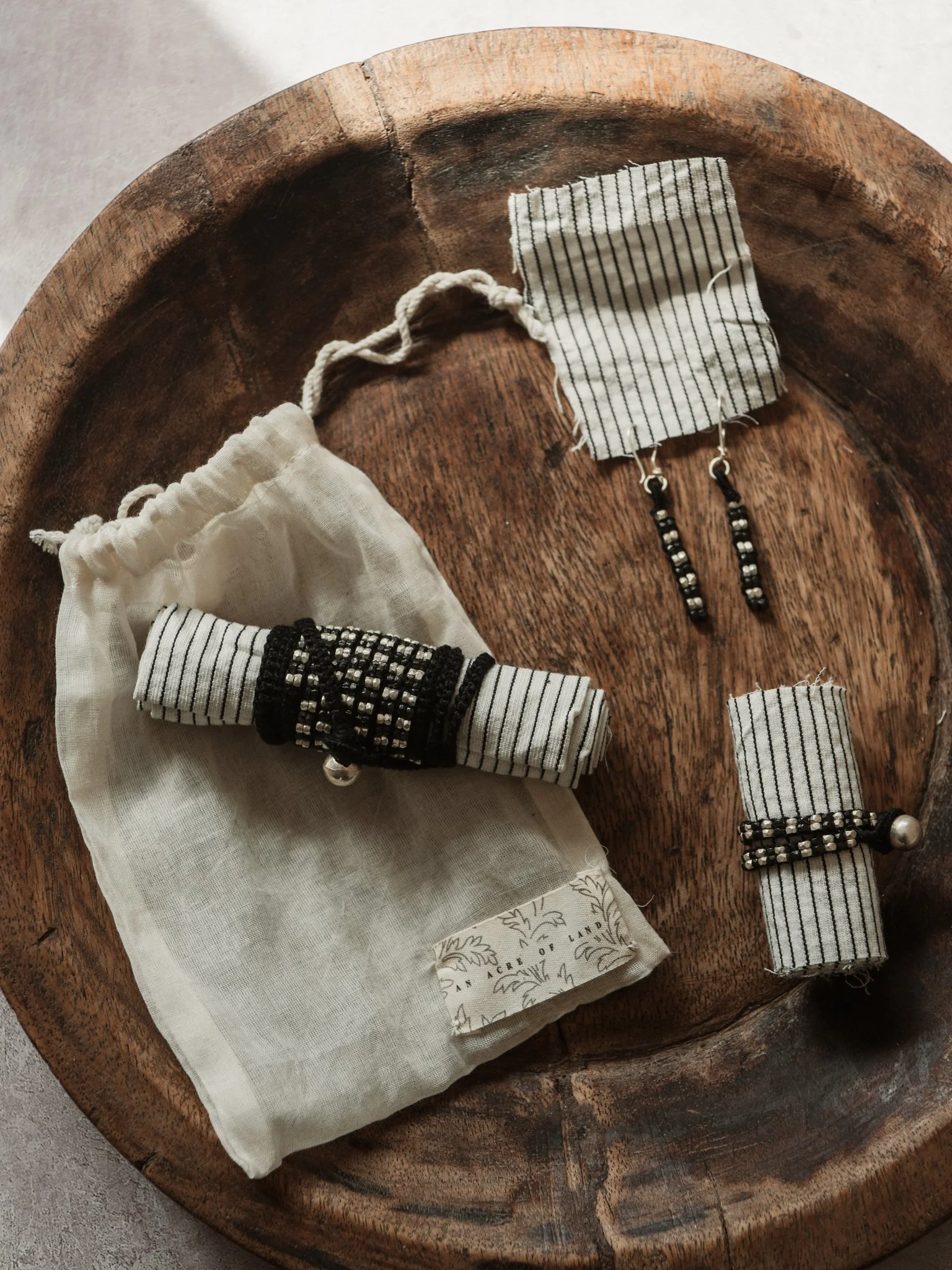 Image 1 of 13
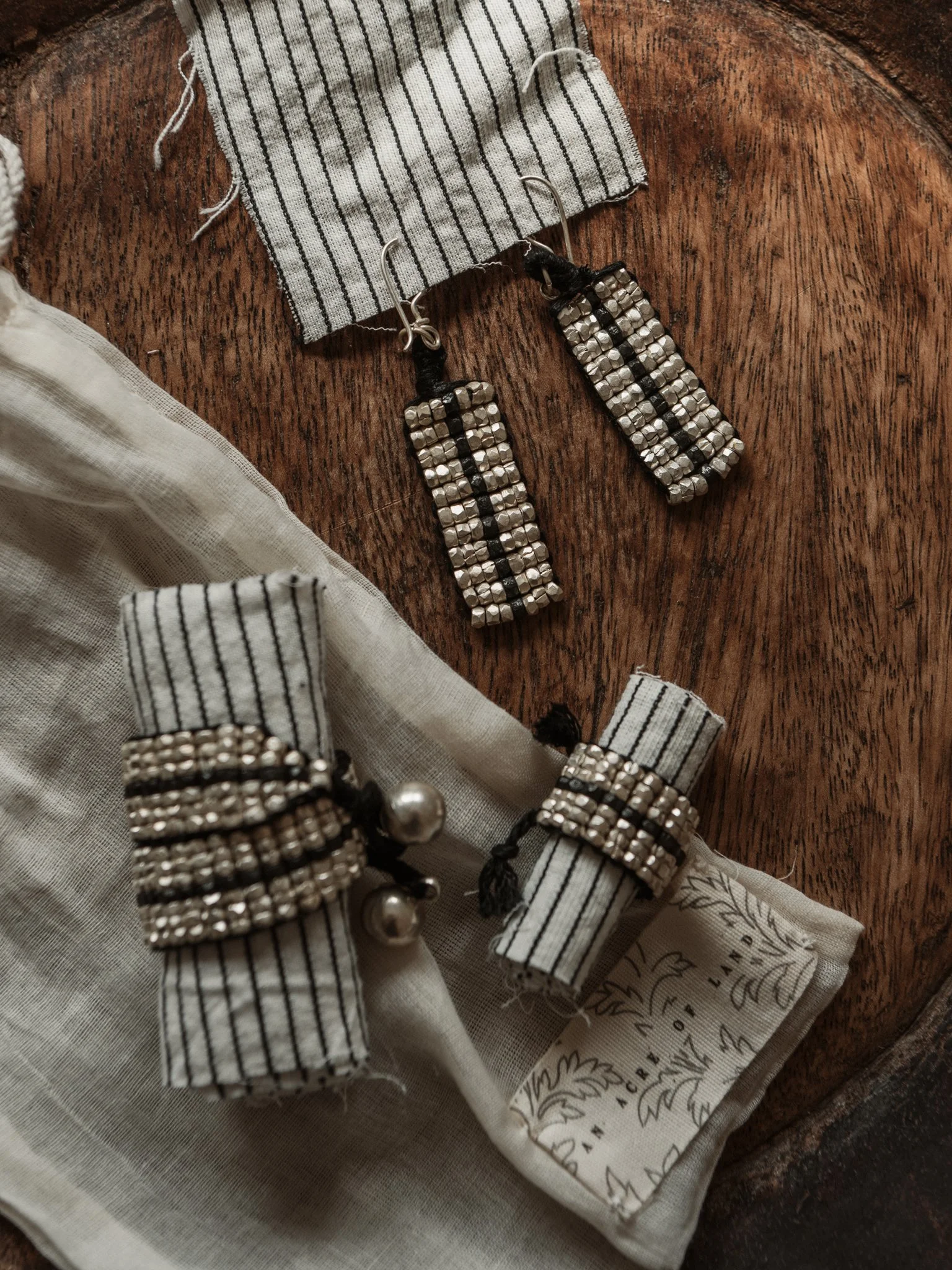 Image 2 of 13
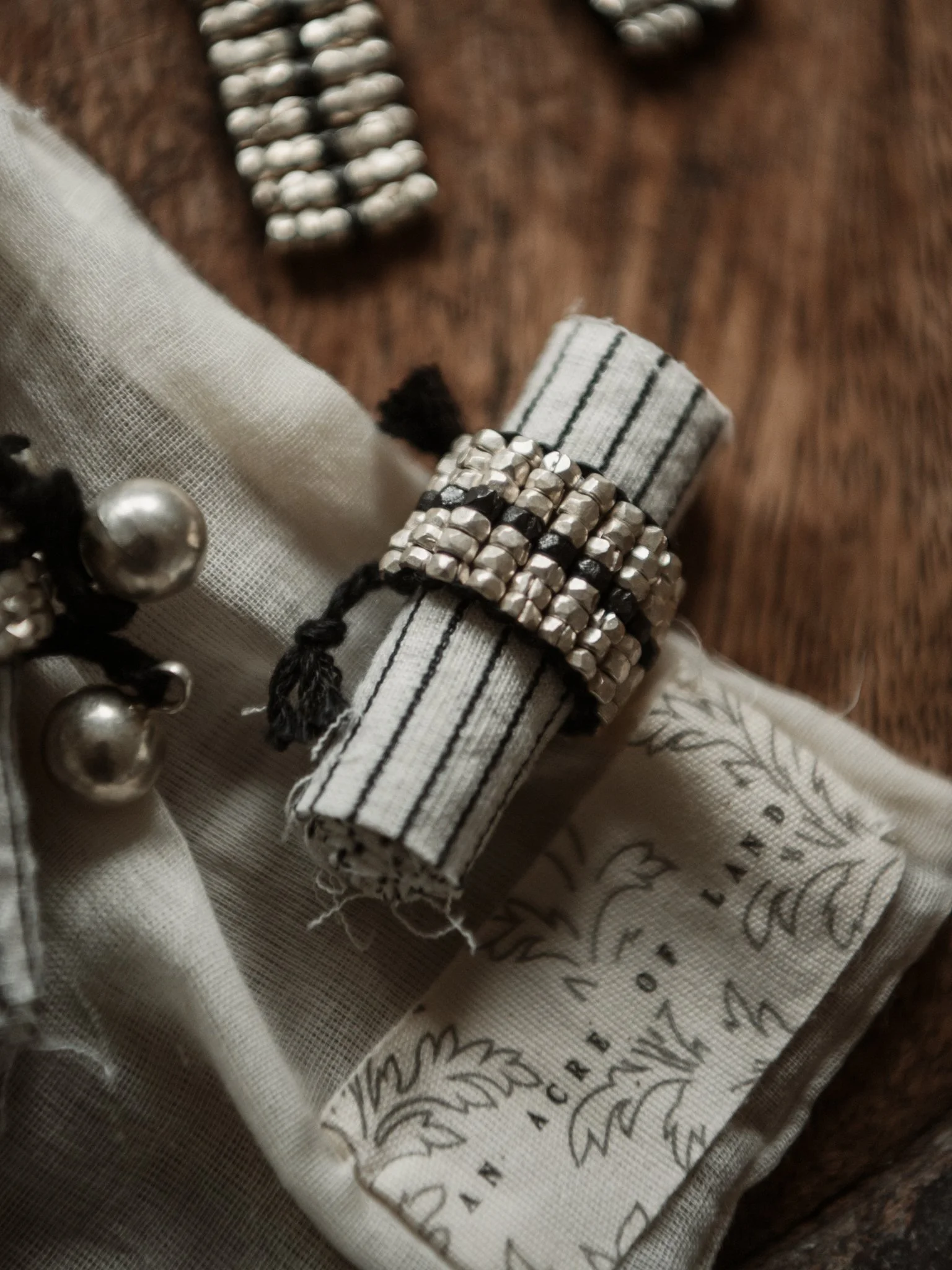 Image 3 of 13
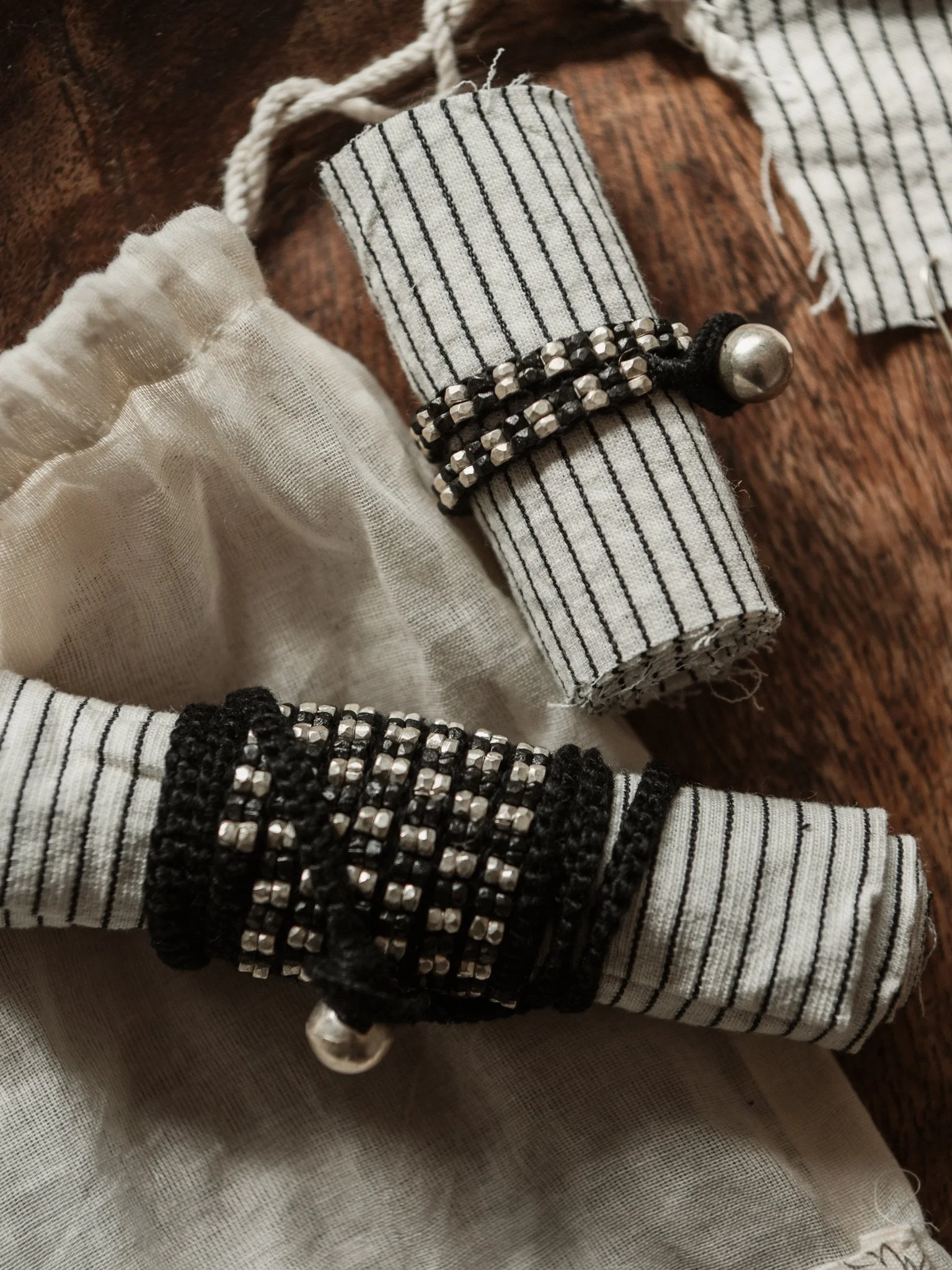 Image 4 of 13
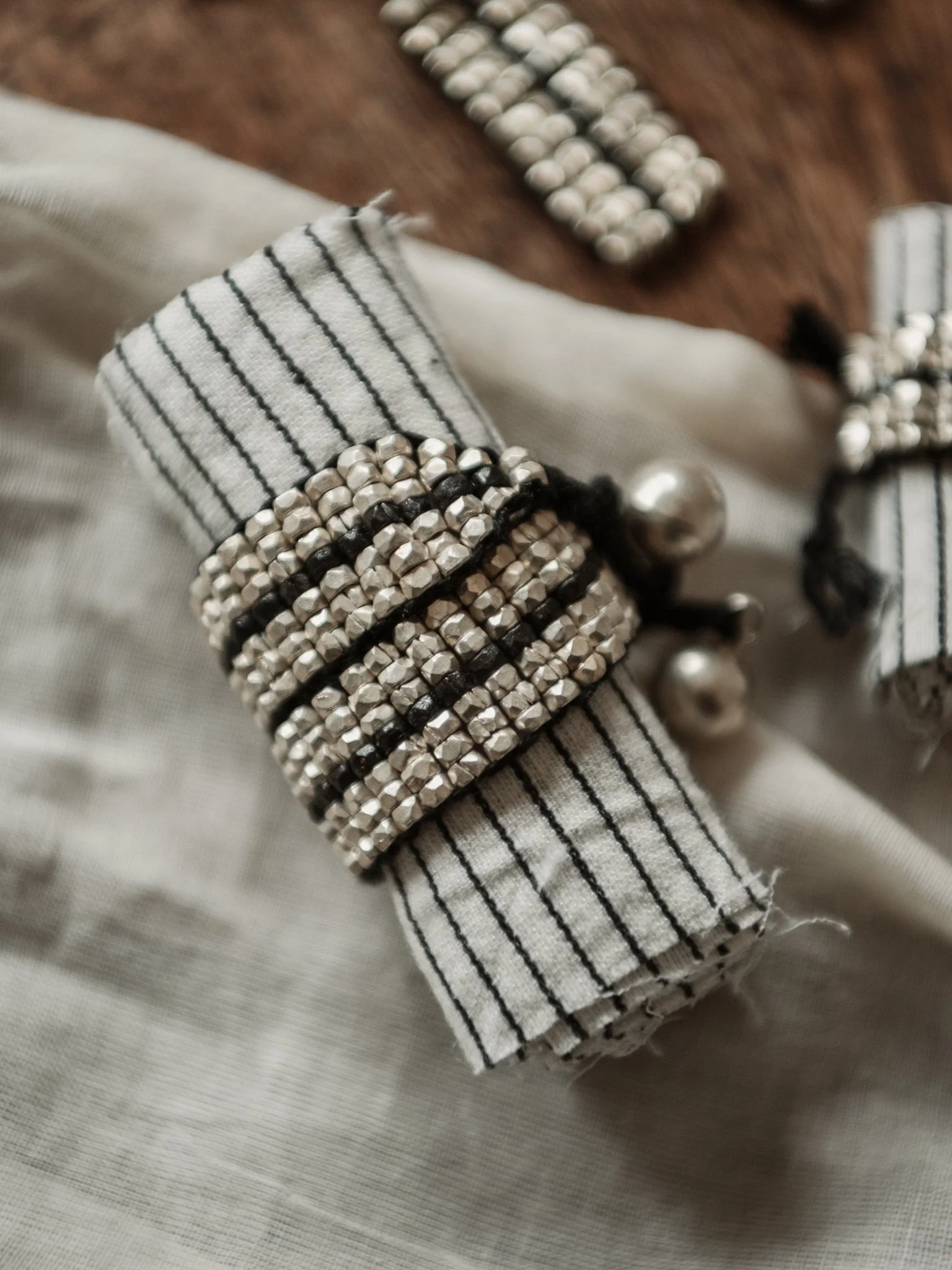 Image 5 of 13
 Image 6 of 13
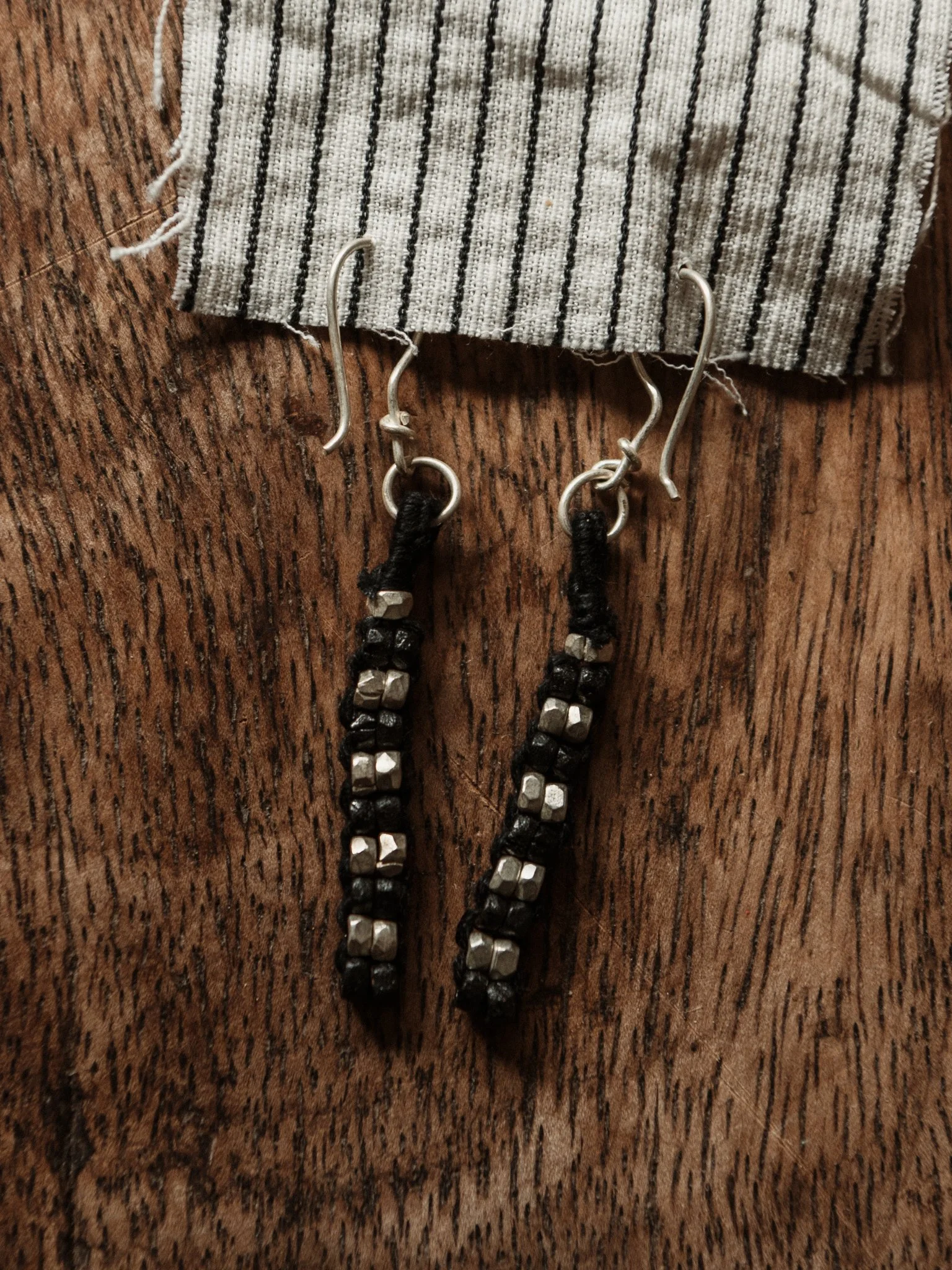 Image 7 of 13
 Image 8 of 13
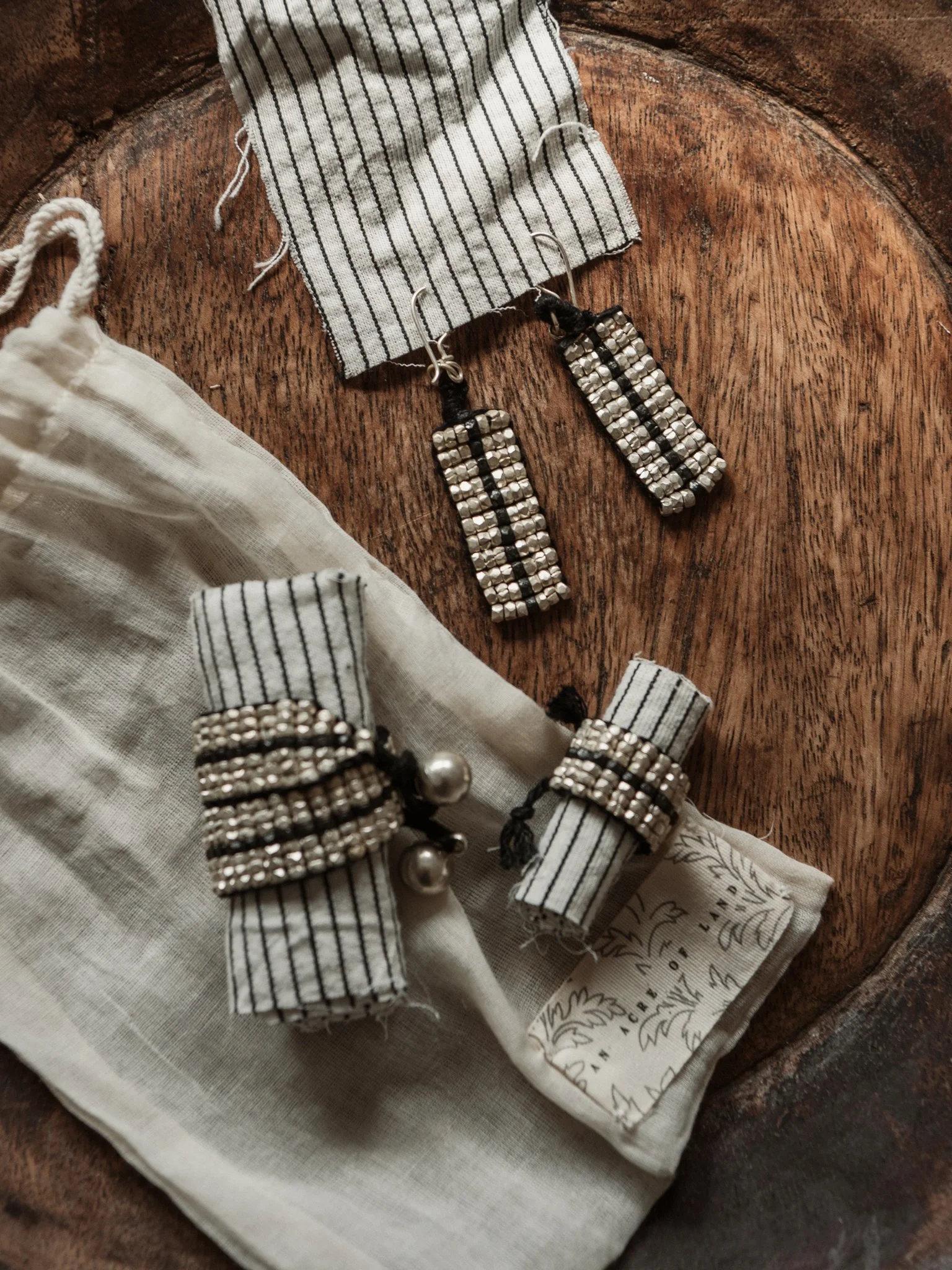 Image 9 of 13
 Image 10 of 13
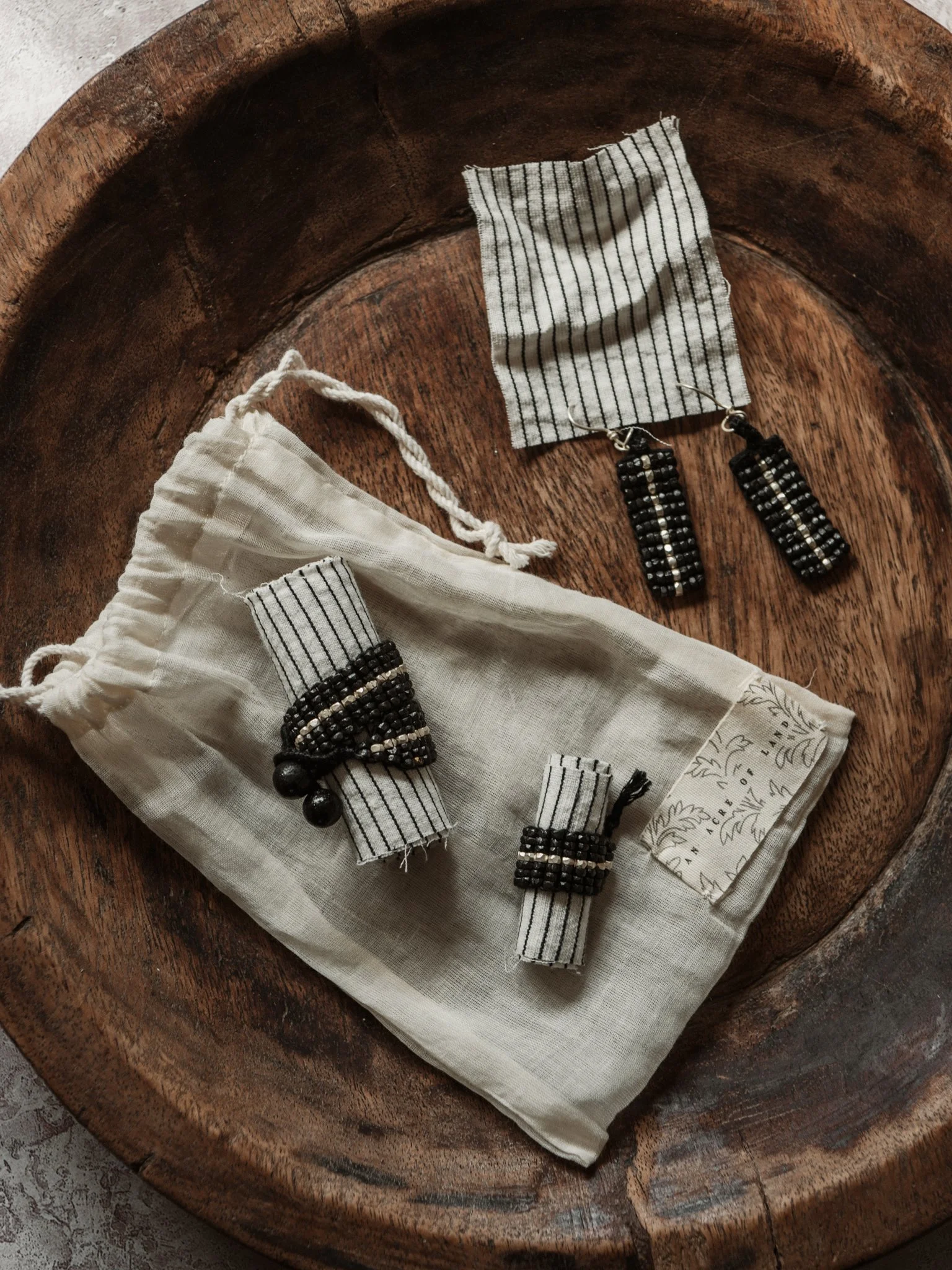 Image 11 of 13
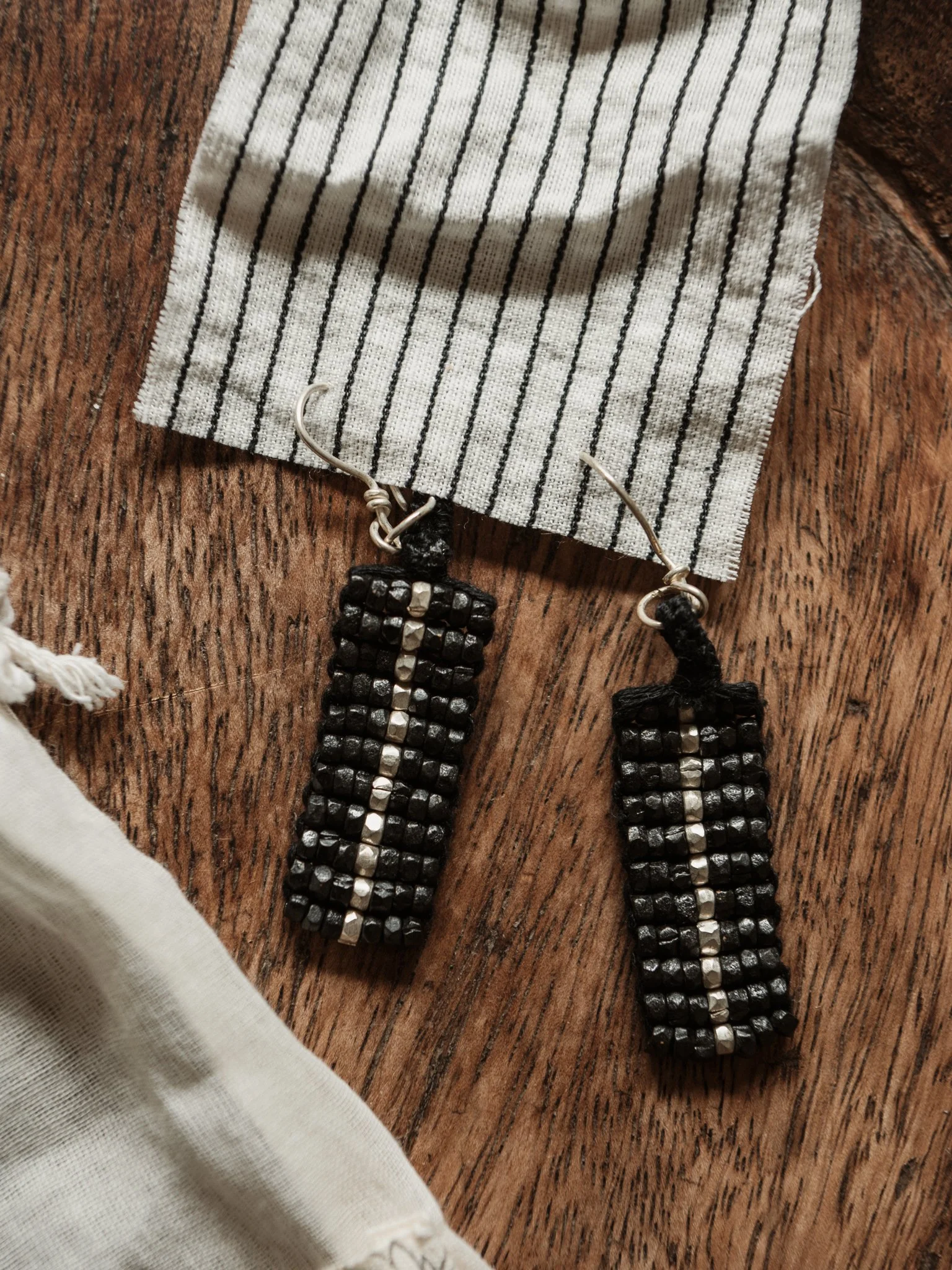 Image 12 of 13
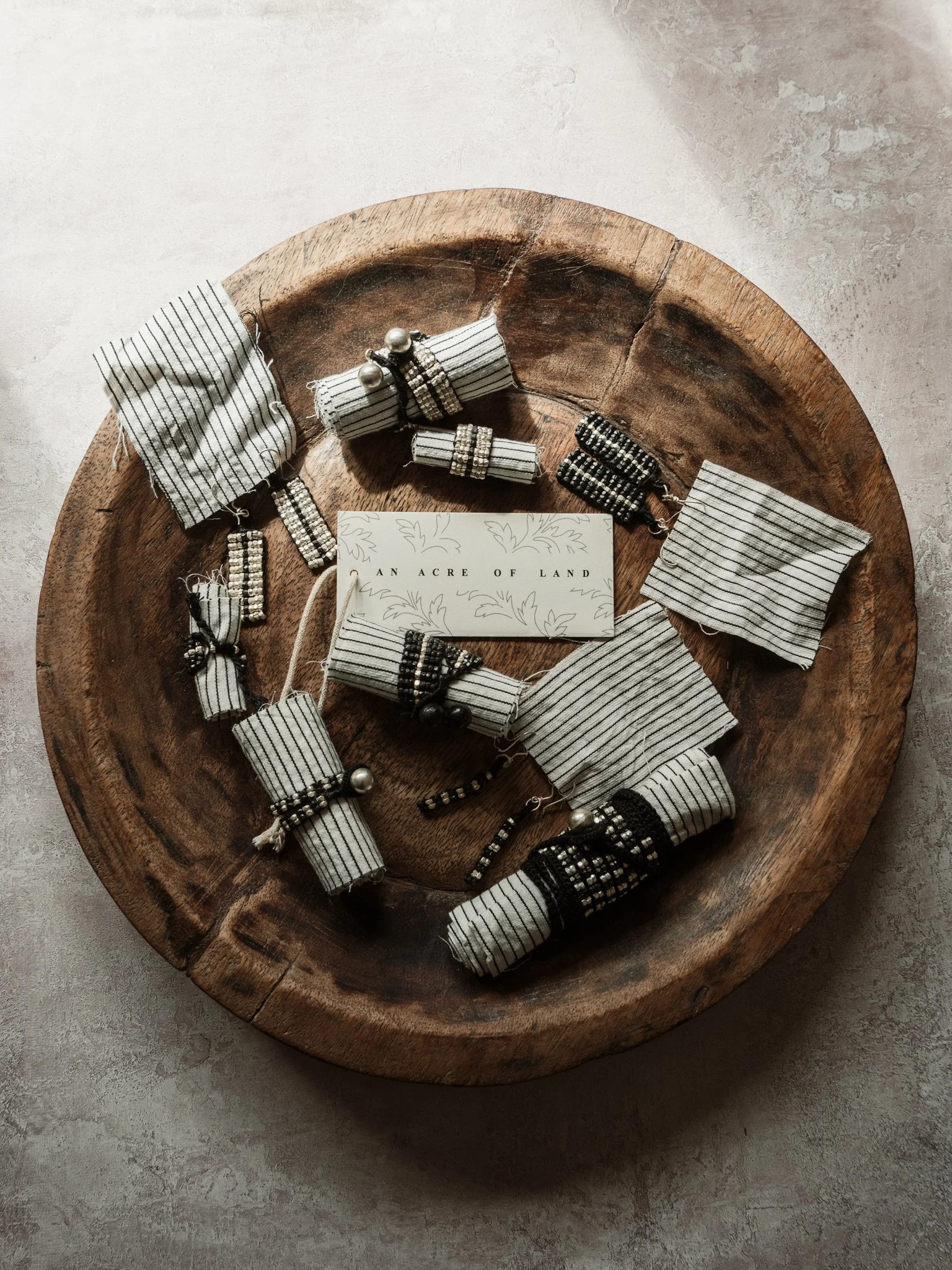 Image 13 of 13